
What Is a Smoke Vape Puff and How Does It Work?
A Smoke Vape Puff is a small amount of aerosol drawn from an electronic vaping device. Despite the word “smoke,” these devices generally heat a liquid rather than burn tobacco. That distinction matters. The visible cloud may look like smoke, but its contents and formation are different.
A typical device contains a battery, a heating element, and a liquid reservoir. When activated, the battery powers the heater, which warms the liquid and creates an inhalable aerosol. The exact design varies. Some devices use a button, while others respond to inhalation. A faint indicator light or a soft crackle may signal that the device is operating, though neither proves it is working safely. Liquid ingredients also differ, and some products contain nicotine, which is addictive. Checking clear product labeling is important; vague packaging leaves too much unanswered.
This overview explains the basic mechanism and the details that can change a puff’s feel, such as airflow, heating, and liquid composition. It also separates common assumptions from established facts about aerosol exposure. A simple diagram can make the process seem straightforward. Real devices are less uniform, and a pleasant flavor does not establish that an aerosol is harmless. That point is easy to overlook. The sections ahead offer a practical, careful explanation without treating vaping as risk-free or making personal health claims.
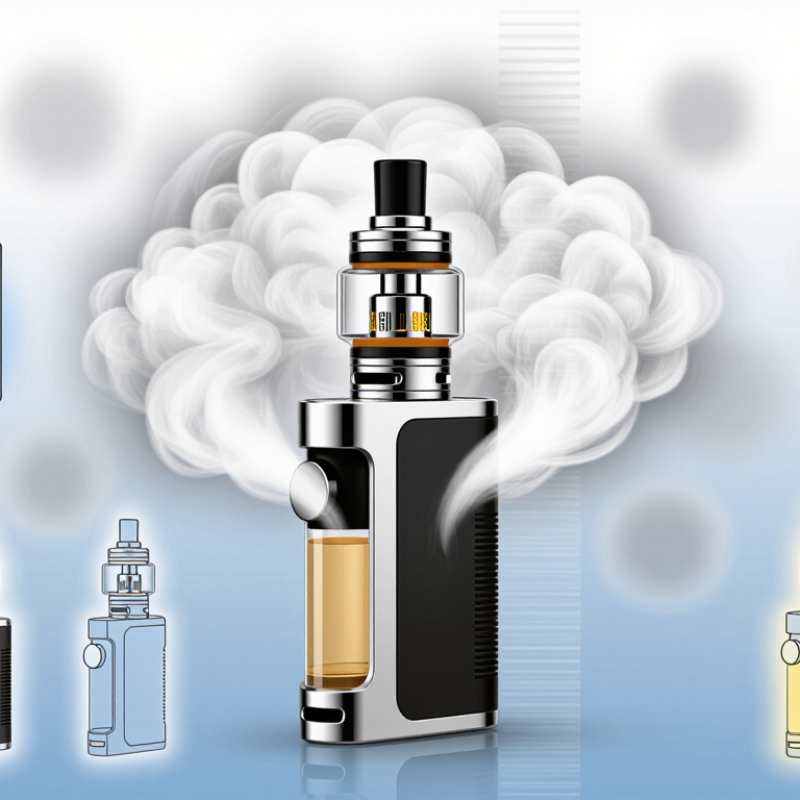
What a Smoke Vape Puff Is
A “smoke vape puff” usually means one inhalation from an electronic vaping device. The phrase is convenient, but not technically exact: these devices generally heat a liquid to make an aerosol rather than burn tobacco to make smoke. A battery powers a small heating element, which warms liquid held in a reservoir or absorbed by a wick. The user draws the resulting aerosol through a mouthpiece. The visible cloud can look like smoke. It is not simply water vapor.
The National Academies of Sciences, Engineering, and Medicine’s 2018 report, Public Health Consequences of E-Cigarettes, reviewed more than 800 studies. It found that e-cigarette aerosol can contain potentially harmful substances, though exposure to many toxicants is generally lower than from combustible cigarette smoke. That comparison does not mean the aerosol is harmless. Its contents and amount can vary with the liquid, device temperature, and puff duration. The word “puff” also hides that variability.
Tips: For a clearer description, say “one inhalation” or “one puff of aerosol.” Avoid calling the cloud smoke when explaining how the device works. If describing a device, note its battery, liquid reservoir, and heating element. It’s a small distinction, but a useful one.
The Main Components of a Vape Device
A vape device typically contains a battery, a heating element, a liquid-holding reservoir, and a mouthpiece. Their arrangement varies by design, but each part plays a distinct role. The battery supplies power. A button or airflow sensor may activate the heating element, which warms the liquid and creates an inhalable aerosol. It is not ordinary smoke from burning tobacco.
The reservoir holds the liquid, while a wick or similar material helps carry it toward the heating area. The mouthpiece directs the aerosol into the user’s mouth. Small parts matter. If airflow is blocked or a component is damaged, the device may not work as intended. Battery damage deserves particular caution; do not use a device with a swollen, leaking, or unusually hot battery.
Some details are easy to overlook. Not every device uses the same sensor, wick, or replaceable parts, so appearance alone may not explain how it works. And “vapor” can sound harmless, though the aerosol may contain substances that affect health. Understanding the components is useful, but it does not remove the risks of inhaling aerosol.
How the Device Turns E-Liquid into Aerosol
A “smoke vape puff” is not smoke from burning material. It is an aerosol formed when a device heats e-liquid. When someone inhales, airflow activates a sensor or switch. A battery then powers a small resistive coil. Liquid-soaked wick touches the heated coil, and some liquid becomes airborne droplets. You may see a pale cloud and feel warmth near the mouthpiece. That cloud is not simply water vapor.
The National Academies’ 2018 evidence review describes e-cigarette emissions as fine-particle aerosol; reported particle sizes commonly fall around 0.1–1 micrometer, with results varying by device and test conditions. The review also finds that power settings, liquid ingredients, and coil temperature can change what enters the aerosol. In practical terms, a dry wick or overheated coil may produce a harsher puff. A simple diagram can hide that variability.
The World Health Organization’s 2023 report notes that e-cigarette emissions can contain nicotine and other potentially harmful substances. The exact mixture depends on the liquid and how the device is used. That distinction matters. A puff is a changing mixture, not a fixed dose, and visible cloud size alone cannot reveal its contents. Even careful lab measurements cannot represent every real-world puff.
What Is a Smoke Vape Puff and How Does It Work?
Selected Liquid Ingredients: Normal Boiling Points at 1 Atmosphere
A vape device heats e-liquid near a coil. Some liquid components vaporize, then cool and condense into an aerosol that is inhaled. The values shown are approximate normal boiling points—not recommended device temperatures or a claim that the whole liquid boils during a puff. Actual aerosol formation depends on the device and how it is used.
Boiling-point values are rounded; reference: NIST Chemistry WebBook.
What Happens During a Puff
What Is a Smoke Vape Puff and How Does It Work?
What Happens During a Puff
When someone takes a puff from an e-cigarette, airflow activates a small sensor or switch. A battery then powers a heating element, which warms liquid held in a reservoir or wick. The liquid becomes an aerosol: tiny droplets suspended in air, not ordinary smoke from burning tobacco. It may look like a white cloud. Not just water vapor.
The aerosol travels through the mouthpiece and into the user’s mouth or lungs, depending on how they inhale. It can contain nicotine, flavoring chemicals, and other substances; amounts vary by device and liquid. Heating can also create unwanted compounds, especially if a device overheats or its wick is dry. A puff may feel smooth, but that sensation does not reveal what is in the aerosol. This detail is easy to overlook.
Tips: Do not use a device that is leaking, damaged, or unusually hot. Stop if you feel dizzy, nauseated, or short of breath, and seek medical advice if symptoms persist. Keep liquids away from children and pets. If you do not already vape, starting carries avoidable health risks.
Factors That Affect Each Puff
A vape puff is not identical every time. The device heats liquid into an aerosol; it does not produce smoke through burning. How much aerosol forms depends partly on the device’s power and temperature. A low battery may make a puff feel weaker. A worn or poorly saturated heating element can produce uneven vapor or a burnt taste.
Airflow matters, too. Open air passages usually create a looser draw, while restricted airflow can feel tighter. The liquid’s thickness and the room temperature may affect how quickly it reaches the heating element. Small changes can be noticeable. Still, people often blame the device when their own puff length has changed.
Inhalation also shapes the experience. A short, gentle puff may feel different from a long, forceful one, even with the same settings. Repeated puffs can warm the device and leave less time for the element to cool or re-saturate. That can make later puffs harsher. Not perfectly predictable. If a device becomes unusually hot, leaks, or tastes burnt, stop using it and check its instructions rather than increasing its power. These factors explain variation, but they do not make vaping risk-free.
| Dimension | What Happens | How It Can Affect a Puff |
|---|---|---|
| What a vape “puff” is | A puff is one inhalation of aerosol produced by an electronic vaping device. Although it is sometimes called “smoke,” vaping aerosol is not smoke from burning tobacco. | Puff size and composition can vary; a puff count alone does not show how much aerosol or nicotine was inhaled. |
| Basic operating sequence | Drawing on the mouthpiece or activating the device powers a battery, which sends current to a heating element. The element heats liquid delivered by a wick, forming an aerosol that travels through the mouthpiece. | Differences in activation, liquid delivery, and airflow can change how quickly aerosol forms and how a puff feels. |
| Puff duration and inhalation | Longer or stronger draws generally move more air through the device and may produce more aerosol, depending on the device and its settings. | Individual inhalation patterns vary. Puff duration by itself cannot precisely predict aerosol or nicotine intake. |
| Power and heating | Battery output and device settings influence the energy supplied to the heating element. The element’s design and resistance also affect how it heats. | Higher power can increase aerosol production in some setups, but the result depends on the device, liquid supply, and airflow. Excessive heat can contribute to an unpleasant or burnt taste. |
| Liquid formulation | Vaping liquids commonly contain propylene glycol, vegetable glycerin, flavorings, and sometimes nicotine. The ingredients and their proportions differ among liquids. | Liquid composition can influence aerosol characteristics and throat sensation. Nicotine exposure depends on the liquid and how the device is used. |
| Wick and liquid supply | A wick carries liquid to the heating element. The wick must remain adequately supplied for the device to heat liquid rather than overheat a dry element. | Low liquid levels, poor wicking, or repeated use without enough time for liquid to replenish can lead to inconsistent aerosol or a burnt taste. |
| Airflow and device design | Air inlets, the coil, and the internal air path determine how air moves through the device and mixes with aerosol. | Airflow can affect draw resistance, aerosol cooling, and perceived density. Design differences mean the same inhalation may feel different across devices. |
| Coil condition and maintenance | Heating elements and wicks can accumulate residue or wear with use. Device condition can change liquid heating and airflow. | A worn or contaminated component may produce less consistent performance or an altered taste. Follow the device instructions and do not use damaged equipment. |
| Battery state | A battery supplies the electrical energy used by the heating element. Available output can depend on battery charge and device circuitry. | A low charge may affect performance on some devices. Use and charge batteries according to the manufacturer’s safety instructions. |
| Important health context | Vaping aerosol can contain nicotine and other potentially harmful substances. Nicotine is addictive, and aerosol is not harmless water vapor. | Puff-to-puff exposure is not fixed or reliably inferred from appearance. People who do not use tobacco or nicotine products should not start vaping. |
Related Posts
-
China Best Vape Puff Disposable Suppliers for Global Buyers?
-
How to Choose the Right Vape Puff Options for Wholesale
-
How to Choose a Disposable Vape Pen for Global Sourcing
-
China Best Disposable Vape Puff Suppliers for Global Buyers
-
10 Essential Tips for Maximizing Your Disposable Vape Puff Experience
-
China Top 10 Disposable Electric Cigarette Suppliers for Global Buyers