How to Choose a Disposable Vape Pen for Global Sourcing

Global sourcing a Disposable Vape Pen requires more than comparing unit prices. Buyers must examine product safety, supplier reliability, documentation, and market suitability. A polished sample can hide weak battery protection, inconsistent airflow, or unclear component origins. Small details matter. Ask for batch records, material specifications, electrical test reports, and independent laboratory results. Confirm that every document matches the exact model, not a similar product.

Dr. Konstantinos Farsalinos, a physician and vaping researcher, has stated, “The main issue is not whether e-cigarettes are safe, but whether they are safer than smoking.” This perspective supports careful, evidence-based evaluation rather than exaggerated marketing. A responsible sourcing decision should avoid health promises and focus on measurable product characteristics. Review nicotine requirements, packaging rules, recycling obligations, labeling standards, and import restrictions in each destination market. Requirements can differ sharply between countries, and they can change.

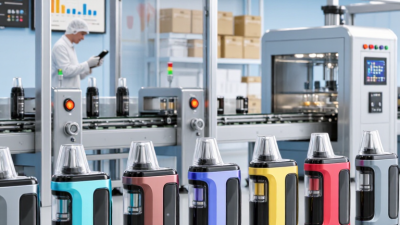
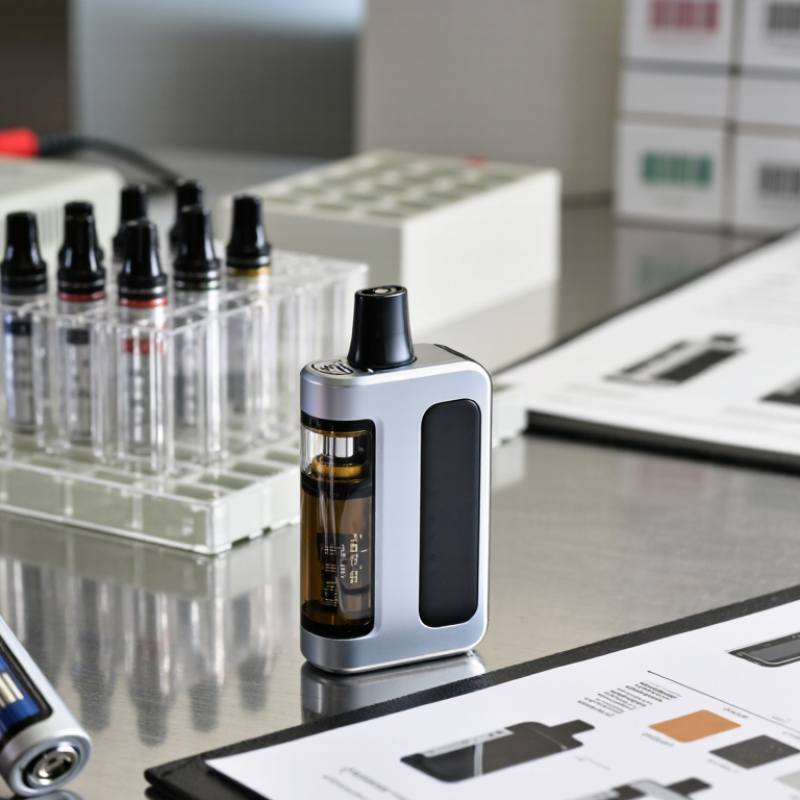
Walk through the factory before committing. Observe sealed storage areas, battery testing stations, and final inspection procedures. Request samples from multiple production batches. Check mouthpiece fit, draw consistency, charging behavior, and leakage after transport simulation. No checklist is perfect. I still question suppliers that provide impressive certificates but vague traceability. A lower price may reflect thinner materials, rushed inspection, or incomplete compliance work. Choose partners who explain weaknesses clearly and correct them promptly. This introduction will outline a practical method for selecting a compliant Disposable Vape Pen, balancing performance, documentation, supplier experience, and long-term sourcing risk.
How to Choose a Disposable Vape Pen for Global Sourcing

Define the Intended Market and Product Requirements

Before choosing a disposable vape pen, define the intended market with precision. Identify the country, buyer age requirements, legal nicotine limits, and permitted product categories. Regulations differ widely, even between neighboring markets. A product accepted in one region may require different packaging, testing, or registration elsewhere.

Product requirements should follow real user conditions. Consider draw style, battery capacity, storage temperature, leak resistance, and expected shelf life. A humid coastal market may need stronger packaging than a dry warehouse environment. Confirm ingredient disclosure, child-resistant features where required, recycling instructions, and compliant warning labels. Request independent laboratory reports and traceable production records. A supplier quotation is not proof of compliance.

Speak with local distributors, compliance specialists, and logistics partners before placing an order. Their experience can reveal practical issues, such as damaged cartons or confusing instructions. Keep a written specification sheet with measurable details, including dimensions, weight, packaging language, and quality tolerances. Do not assume one template fits every country. It often does not.

A small market test can expose weak assumptions. Check customer feedback, return reasons, and delivery conditions before scaling. Some requirements may conflict with cost targets. That deserves honest review. The cheapest unit may create higher expenses through testing failures, relabeling, or rejected shipments. Select only products and materials allowed by the destination market’s current laws.

Compare Device Types, Features, and Battery Specifications

How to Choose a Disposable Vape Pen for Global Sourcing

Compare Device Types, Features, and Battery Specifications

Choosing a disposable vape pen for global sourcing requires more than comparing unit prices. Start by identifying the device type. Draw-activated models are simple and reduce button-related failures. Button-operated models offer more control but need stronger safeguards against accidental activation. Some units are fully disposable, while others include rechargeable batteries and replaceable cartridges. These categories require different testing, packaging, and recycling plans.

Battery specifications deserve close attention. Check capacity in mAh, nominal voltage, charging current, and automatic cutoff time. A higher mAh rating is not automatically better. It may increase weight, shipping restrictions, and thermal management demands. Ask suppliers for battery test reports, protection-circuit details, and samples from regular production. Test airflow, activation response, leakage, charging behavior, and performance near the battery’s lower charge level.

I have found that small details expose weak suppliers. A loose mouthpiece or uneven draw often appears before larger failures. Keep records for batch numbers, inspection dates, and corrective actions. Confirm that materials, labeling, age restrictions, waste handling, and electrical requirements match each destination market. Requirements vary widely, and assumptions create costly delays. One limitation remains: laboratory reports cannot replace independent sample testing. A supplier may provide complete documents, yet production quality can still drift. Select products only where lawful, and review current import, safety, and environmental rules with qualified local specialists.

How to Choose a Disposable Vape Pen for Global Sourcing - Compare Device Types, Features, and Battery Specifications

Device Type Typical E-Liquid Capacity Typical Battery Specification Charging Configuration Activation Method Typical Output Range Approximate Puff Range Common Features Suitable Sourcing Scenario Key Verification Points
Compact Disposable Pen 1.2–2.0 mL 350–500 mAh lithium-ion battery Usually non-rechargeable Draw-activated 5–9 W Approximately 300–600 puffs Small cylindrical or rectangular body, fixed mouthpiece, simple LED indicator, low component count Entry-level products, sampling programs, short-duration use, and markets with lower capacity requirements Check liquid fill accuracy, battery-to-liquid matching, leakage resistance, airflow consistency, and transport packaging
Standard High-Capacity Disposable 2.0–5.0 mL 500–800 mAh lithium-ion battery Usually non-rechargeable Draw-activated 7–12 W Approximately 600–1,500 puffs Higher liquid volume, mesh or ceramic heating element, airflow optimization, flavor options, protective caps General international sourcing where longer usage time and moderate product size are required Confirm regional liquid-volume limits, coil resistance, puff-test method, nicotine labeling, and shelf-life data
Rechargeable Disposable Pen 2.0–5.0 mL 350–650 mAh rechargeable lithium-ion battery USB Type-C or other specified charging port Draw-activated 6–12 W Approximately 800–2,000 puffs, depending on charging cycles Rechargeable battery, charging indicator, overcharge protection, low-voltage cutoff, and sometimes a sealed liquid chamber Products intended to reduce premature battery depletion and improve usable liquid consumption Verify charge current, charging time, cycle performance, port durability, battery protection circuit, and included instructions
High-Capacity Rechargeable Device 5.0–10.0 mL 650–1,000 mAh rechargeable lithium-ion battery USB Type-C is commonly specified Draw-activated or button-activated 10–20 W Approximately 1,500–4,000 puffs Large reservoir, mesh heating element, battery indicator, airflow control, and reinforced mouthpiece Longer-use formats where local regulations permit the stated liquid volume and device configuration Review legal capacity limits, shipping classification, thermal performance, leakage after storage, and puff-count test conditions
Dual-Mesh or Dual-Coil Disposable 5.0–12.0 mL 800–1,300 mAh rechargeable lithium-ion battery USB Type-C is commonly specified Draw-activated or button-activated 15–25 W Approximately 2,000–5,000 puffs Two heating elements, higher vapor output, larger airflow path, battery display, and multi-level indicators Performance-focused products requiring stronger vapor production and longer operating time Check heat distribution, peak current, battery temperature, coil balance, condensation control, and compliance documentation
Adjustable-Airflow Disposable 2.0–8.0 mL 500–1,000 mAh rechargeable or non-rechargeable battery Varies by battery configuration Draw-activated or button-activated 7–20 W Approximately 800–3,500 puffs Mechanical or sliding airflow control, variable draw resistance, LED status indicator, and adjustable vapor density Markets seeking user-adjustable draw characteristics without a separate reusable battery device Test airflow stability, slider tolerance, condensation control, accidental adjustment risk, and user instructions
Low-Nicotine or Nicotine-Free Disposable 1.2–8.0 mL 350–1,000 mAh, depending on format Non-rechargeable or rechargeable Usually draw-activated 5–20 W Approximately 300–3,500 puffs Nicotine-free or low-nicotine formulation, flavor-focused design, tamper-evident packaging, and ingredient labeling Markets or channels where nicotine restrictions, product positioning, or age-related requirements affect the formulation Verify laboratory nicotine results, ingredient declarations, labeling language, age restrictions, and local product classification
Nicotine Salt Disposable 1.2–5.0 mL 350–800 mAh lithium-ion battery Non-rechargeable or rechargeable Usually draw-activated 5–15 W Approximately 300–1,800 puffs Low-power heating, tight-to-restricted airflow, smooth aerosol delivery, and clearly specified nicotine concentration Markets that permit nicotine-salt formulations and require compact, low-power inhalation characteristics Confirm permitted nicotine strength, formulation stability, child-resistant packaging requirements, emissions testing, and warning labels
Data note: The specifications shown are typical industry ranges for comparison and may vary by design, e-liquid formulation, airflow setting, puff duration, battery management system, and applicable market regulations. Before global procurement, confirm the final configuration through product samples, laboratory reports, battery safety documents, transport documentation, and destination-market compliance checks.

Check Legal, Safety, and Certification Requirements

Global sourcing of a disposable vape pen starts with destination-specific legal screening. Rules differ by country, and sometimes by state or province. The European Union requires notification, labeling, ingredient disclosure, and emissions information under Directive 2014/40/EU. Other markets may restrict flavors, nicotine strength, packaging, or online sales. Do not treat CE marking as a universal safety certificate. It indicates conformity with applicable requirements, not guaranteed product quality.

Safety evidence should be collected before purchase orders. Request battery test reports, transport documentation under UN 38.3, material declarations, and independent laboratory results. IEC 62133-2 testing can support rechargeable battery safety, where applicable. Packaging should resist child access and prevent leakage during storage. The 2024 National Youth Tobacco Survey, published by the CDC and FDA, reported about 1.63 million U.S. middle and high school students currently using e-cigarettes. That figure explains the strict age-control scrutiny facing importers. Compliance is not a marketing detail.

Check every file.

A reliable supplier should provide consistent batch records, traceable components, and updated certificates. Verify laboratory accreditation, test dates, model numbers, and destination coverage. In procurement reviews, paperwork can look complete while a certificate covers a different battery or formulation. That weakness is easy to miss. It should not be ignored. Regulations also change faster than product cycles, so legal review must continue after approval.

Evaluate Manufacturers, Pricing, and Minimum Order Terms

For global sourcing, evaluate the manufacturer before comparing unit prices.

Grand View Research estimated the global e-cigarette market at USD 28.17 billion in 2023, with strong projected growth through 2030. Estimates differ by methodology. That uncertainty makes supplier verification essential.

Request factory licenses, quality certificates, recent audit records, and independent test results. Confirm battery safety under UN 38.3 and relevant IEC standards. Also check product registration, labeling, recycling, and age-control requirements in every destination market.

Prices are meaningless without a comparable specification.

Small details matter. Compare battery capacity, liquid volume, materials, testing fees, packaging, tooling, freight, and payment terms. Ask for a complete landed-cost worksheet, not only a unit quotation.

The World Health Organization reported at least 100 million e-cigarette users globally in its tobacco product regulation materials, but demand does not guarantee legal market access. A compliant supplier should explain restrictions clearly, rather than promise universal shipping.

Minimum order quantity needs practical testing.

A factory may quote 10,000 units, while a pilot order of 500 units reveals defects earlier. Negotiate separate MOQs for samples, packaging, and production. Ask how rejected units are replaced and how batch records are retained.

I still distrust unusually neat spreadsheets. A cheaper quote can hide weak quality control, rushed assembly, or expensive customs problems. Independent pre-shipment inspection is worth budgeting, even when margins look tight.

Verify Quality Control, Packaging, Shipping, and After-Sales Support

How to Choose a Disposable Vape Pen for Global Sourcing

A reliable sourcing process starts with quality control, not appearance. Request product specifications, battery safety documents, leak tests, and independent laboratory reports. Confirm that test results match the exact model and production batch. Inspect samples after storage, not only when they arrive. Check the mouthpiece, airflow, charging behavior, seal, and vapor consistency. Small defects matter. A clean sample may still hide weak factory controls.

Packaging must protect both the product and the customer. Ask for impact-resistant inner trays, secure seals, readable labels, and batch identification. Packaging should follow the destination market’s rules for warnings, recycling, age restrictions, and ingredient disclosure. Do not accept copied certificates or vague compliance statements. A practical weakness is often overlooked: attractive packaging can increase damage during transport if it uses fragile inserts.

Shipping plans need clear carton dimensions, battery declarations, insurance, and approved carriers. Confirm customs documents before production begins. After-sales support should include response times, replacement procedures, defect-rate reporting, and spare-part policies where legally permitted. Require a written process for handling leaks, damaged units, or inconsistent performance. A supplier that avoids difficult questions may also avoid responsibility later. Keep records of every inspection, approval, and complaint. Mistakes happen, but unexplained mistakes should never become routine.