
What Are the Top Types of Legal Electronic Cigarettes?
What Are the Top Types of Legal Electronic Cigarettes? The answer depends on local product rules, device design, and the needs of adult consumers. “Legal” does not mean identical everywhere. Readers should check current requirements and choose only products authorized for sale in their area.
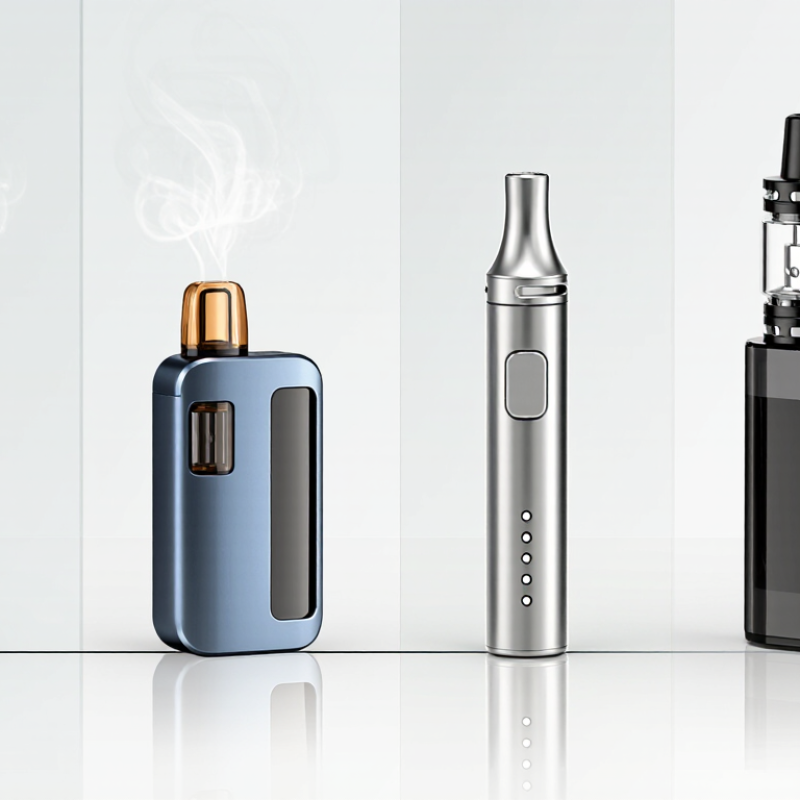
Common categories include cigalikes, pod systems, vape pens, and box-style devices. Cigalikes resemble traditional cigarettes and usually have simple controls. Pod systems use small replaceable or refillable pods. Vape pens have a slim, tube-shaped body, while box-style devices are larger and offer more adjustable settings. The details matter. Availability and features can vary, and not every category suits every user.
Nicotine researcher Dr. Neal Benowitz has emphasized that e-cigarettes are not harmless, even though they may expose users to fewer harmful chemicals than combustible cigarettes. That distinction deserves care, not a sales pitch. This guide compares device formats, typical components, and practical points such as portability, maintenance, and labeling. It also explains why product authorization and age restrictions should be checked locally. “Electric Cigarates” is sometimes used as a search term, but clear product information matters more than a label. Categories overlap. Some descriptions are imperfect, and product names can confuse new readers. The aim here is a careful overview—not a recommendation to start using nicotine.
What Makes an Electronic Cigarette Legal?
What makes an electronic cigarette legal depends on where it is sold and used. A product may need approval or registration with the relevant health or consumer-safety authority. Rules can cover nicotine concentration, ingredients, battery safety, packaging, and manufacturing quality. Labels should clearly state the contents, nicotine level, warnings, and directions for use. A sealed package with readable information is a useful sign, but it does not prove compliance by itself.
Age restrictions matter. Retailers may be required to check identification and follow local rules for sales and advertising. Some places also apply taxes or limit where vaping is allowed. Details change, and rules may differ between neighboring regions. Check locally. Before buying, look for an official product listing or guidance from a government regulator, and ask the seller for compliance information. If details are missing or claims seem vague, pause and verify them. That small step is easy to overlook. Legal status does not mean a product is harmless; nicotine can be addictive, and health risks remain. I would not treat a familiar-looking device as proof of safety.
What Are the Top Types of Legal Electronic Cigarettes? - What Makes an Electronic Cigarette Legal?
No device type is automatically legal everywhere. Legality depends on the product, its ingredients and marketing authorization, and the rules where it is sold or used. Check current local regulations before buying or selling.
| Type | Typical design | Key legal checks | Practical compliance notes |
|---|---|---|---|
| Closed-pod system | A rechargeable device that uses prefilled, replaceable pods. | Verify that the device and any nicotine-containing pods meet the product-authorization and ingredient rules in the sales jurisdiction. | In the United States, a new tobacco product generally needs an FDA marketing authorization before it may be legally marketed. An application that is merely pending is not an authorization. |
| Open-pod system | A small rechargeable device with a refillable pod or reservoir. | Check rules for the device and the refill liquid separately, including nicotine limits, packaging, labeling, and required notifications or authorizations. | Under the EU Tobacco Products Directive, nicotine-containing e-liquids are subject to limits including a maximum nicotine concentration of 20 mg/ml; refill containers are limited to 10 ml, and tanks or cartridges to 2 ml. National rules may be stricter. |
| Vape pen | A slim, pen-shaped rechargeable device, commonly used with a pod or refillable tank. | Its shape does not determine legality. Confirm that the specific model and compatible liquid comply with local product, labeling, and sales requirements. | For nicotine-containing products in the EU, the applicable concentration and container-capacity limits still apply regardless of device style. |
| Box mod or advanced tank device | A larger rechargeable device, often with adjustable power and a refillable tank. | Check product authorization, battery and electrical safety requirements, liquid rules, and any restrictions on device features or sale. | Higher power or refillability does not create an exemption from tobacco-product or consumer-safety regulations. |
| Single-use disposable | A prefilled device designed to be discarded when its liquid or battery is depleted. | Check whether single-use products are prohibited in the relevant jurisdiction, in addition to checking product authorization and sales rules. | In the United Kingdom, the sale and supply of single-use vapes have been banned since 1 June 2025. Reusable products remain subject to other applicable requirements. |
Legal checks may include minimum-age sales restrictions, ingredient and emissions requirements, child-resistant packaging, health warnings, advertising limits, and registration or notification duties. Rules differ by country and can change; consult the relevant regulator for current requirements.