
Top 10 Vape Puff Flavors and Their Health Risks
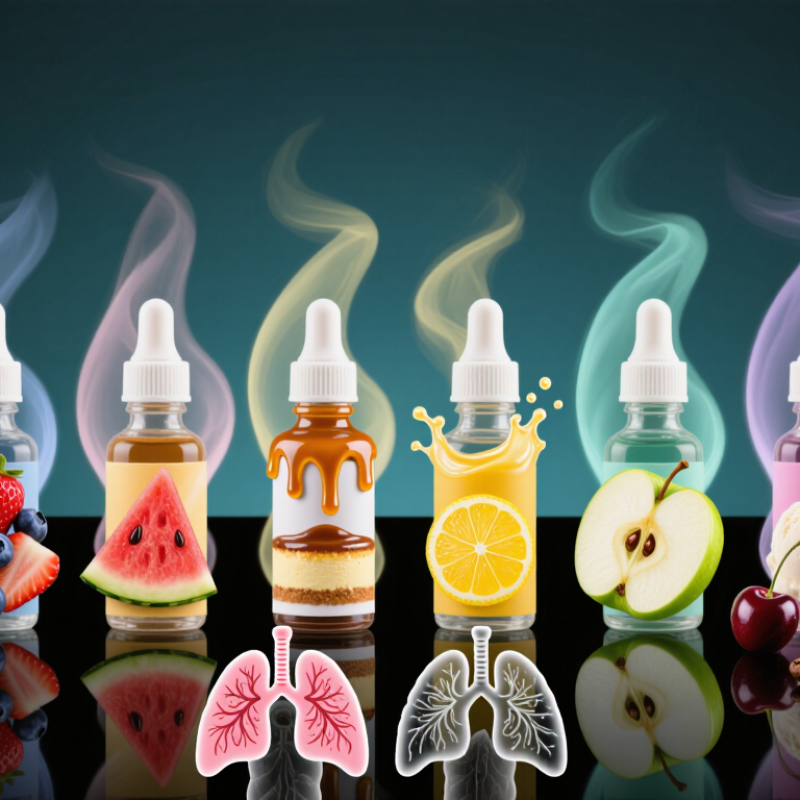
Vape Puff Flavors range from cool mint and crisp fruit to rich dessert-inspired blends. Their names may suggest familiar foods, but inhaled aerosol is not the same as eating those ingredients. Flavorings can make a product seem smoother or more appealing. That impression does not establish safety. Some aerosols contain substances that may irritate the lungs, while heating can create additional chemicals. The exact ingredients and exposure levels vary between products, so a flavor name alone cannot predict its health effects.
This overview examines ten popular flavor categories and the concerns researchers have raised about them. It is not a safety ranking. A sweeter taste is not necessarily more harmful than a minty one, and evidence about individual flavor chemicals remains incomplete. Some laboratory findings do not directly show what happens during long-term use in people. That distinction matters. Products containing nicotine can also lead to dependence, especially for adolescents and people who have never smoked. Even nicotine-free claims should not be treated as proof that an aerosol is harmless. The details matter. By separating known risks from unanswered questions, readers can assess flavor claims more carefully and avoid mistaking pleasant taste for a health benefit. Research continues, and some conclusions may change. That uncertainty is worth taking seriously.
What Vape Puffs Are and How They Deliver Aerosols
A vape puff is an inhaled aerosol, not water vapor. Inside the device, a battery heats a coil; the coil warms liquid held in a wick or chamber. Droplets, gases, and particles then travel through the mouthpiece into the airways. Small clouds can feel deceptively simple. Not harmless steam. Heating changes the mixture. Power, airflow, coil condition, liquid ingredients, and puff length influence what forms and how much is inhaled. That makes one puff a poor measure of another.
The US National Academies’ 2018 report, Public Health Consequences of E-Cigarettes, describes aerosol as a mixture, not clean vapor. It identifies nicotine, metals, volatile organic compounds, and particles among possible components. Some flavor chemicals may be safe to eat but not necessarily safe to inhale; the route matters. CDC’s 2024 National Youth Tobacco Survey reported that 87.6% of current youth e-cigarette users used flavored products. That statistic describes use, not chemical dose or harm. Still, it shows why flavor and aerosol delivery deserve separate scrutiny. Reports cannot represent every device or every puff, and that uncertainty is easy to overlook.
Top 10 Vape Puff Flavors and Their Health Risks - What Vape Puffs Are and How They Deliver Aerosols
“Vape puffs” are inhalations of aerosol produced when an electronic device heats a liquid. The aerosol is not simply water vapor. Flavor categories and ingredients vary by product, and the flavor alone cannot reliably predict exposure or risk. The categories below are common examples, not a ranked safety assessment.
| Flavor category | Typical flavor profile | How it may appear in the aerosol | Relevant health considerations |
|---|---|---|---|
| 1. Fruit | Berry, citrus, apple, tropical fruit, or mixed-fruit notes. | Flavorings are heated with a carrier liquid; the resulting aerosol can contain fine particles and substances formed during heating. | “Fruit” does not mean harmless or natural. Potential exposure depends on the ingredients, device, and heating conditions. Nicotine, when present, can cause dependence. |
| 2. Mint | Cool, herbal, or mint-like notes. | Cooling or mint flavor compounds may be carried in droplets that are inhaled into the respiratory tract. | Flavorings have not been established as safe to inhale just because they are used in food. Cooling sensations can make an aerosol feel less irritating without making it safer. |
| 3. Menthol | Cooling, mint-like sensation; sometimes combined with other flavors. | Menthol can contribute to the sensory effect of inhaled aerosol and may be used alongside nicotine. | Cooling may mask harshness for some users. Nicotine-containing products can lead to dependence; flavor and sensation do not remove nicotine-related risks. |
| 4. Tobacco | Earthy, smoky, roasted, or tobacco-like notes. | The flavor label describes taste, not a guarantee that the aerosol contains tobacco leaf or has the same composition as tobacco smoke. | Vaping aerosol is different from cigarette smoke, but it can still contain harmful substances. If nicotine is present, it can cause addiction; switching products does not make vaping risk-free. |
| 5. Dessert and cream | Vanilla, custard, cream, cake, or other sweet, rich notes. | Some flavor formulations may use compounds that produce buttery or creamy notes; composition differs across products. | Diacetyl, a buttery flavoring chemical linked to serious lung disease after occupational inhalation, has been detected in some e-cigarette products. Its presence cannot be assumed—or ruled out—from a flavor name alone. |
| 6. Candy and sweet | Confectionery, sugary, or brightly sweet notes. | Sweet flavorings are aerosolized along with the liquid’s other components; heating can alter some ingredients. | A sweet taste does not indicate low toxicity. Appealing flavors may encourage experimentation or continued use, particularly among young people; nicotine can affect the developing brain. |
| 7. Beverage | Coffee, tea, soda, or other drink-inspired notes. | The aerosol comes from heated e-liquid, not from the drink itself; formulations can include multiple flavoring chemicals. | Ingredients safe to consume are not automatically safe to inhale. The health effects of many flavoring mixtures when repeatedly inhaled are not fully known. |
| 8. Cinnamon and spice | Warm, spicy, or cinnamon-like notes. | Some formulations may use cinnamaldehyde or related flavoring compounds, but ingredients vary. | Laboratory studies have raised concerns about the effects of some flavoring chemicals, including cinnamaldehyde, on respiratory cells. Laboratory findings do not establish the risk of every product, but they support caution. |
| 9. Cooling or “ice” blends | A pronounced cooling sensation, often paired with fruit, mint, or candy notes. | Cooling agents may add a sensation of coolness without lowering the temperature of the aerosol reaching the lungs. | A cooling sensation is not evidence of reduced harm. It may make inhalation feel smoother, while the aerosol can still expose users to nicotine and other substances. |
| 10. Unflavored | Little or no added flavor, although a base-liquid taste may remain. | The device still heats and aerosolizes liquid; heating can produce particles and chemical by-products. | “Unflavored” does not mean emission-free or risk-free. Aerosols may contain ultrafine particles, volatile organic compounds, and metals released from device components, depending on the product and conditions. |
Health context: Aerosol composition varies with the liquid, device, power, and use pattern. Flavor-specific evidence is incomplete, so these entries describe potential concerns rather than a precise ranking of risk. Avoiding vaping is the surest way to avoid exposure to vape aerosol.
Related Posts
-
10 Essential Tips for Maximizing Your Disposable Vape Puff Experience
-

Ultimate Guide to Choosing the Best Rechargeable Vape for Global Buyers
-

Leading Vape Pod System Manufacturers from China at the 137th Canton Fair
-
7 Tips for Sourcing Rechargeable Vape Products Globally
-
Unleashing Global Success through Exceptional Vape Puff Performance from China
-

Unlocking the Secrets to the Best Disposable Vape Features for Global Buyers