How to Safely Dispose of an Empty Disposable Vape Pod?

An Empty Disposable Vape Pod may look harmless once the liquid is gone. It is not necessarily empty of risk. Small batteries and leftover e-liquid can remain inside, even when the pod no longer produces vapor. Never assume that an ordinary household bin is the right place for it.

Safe disposal starts with a careful check. Keep the pod away from heat, water, children, and pets. Do not puncture, crush, or take it apart; a damaged battery can overheat. Look for the manufacturer’s take-back instructions or ask a local battery-recycling or household hazardous-waste service whether it accepts vape devices. Collection rules and facilities vary by location, so confirm before dropping it off. If the pod is leaking, avoid touching the liquid and follow local guidance for damaged battery products.

A named expert quotation would strengthen this introduction, but no verifiable source was provided. Inventing a specialist’s name or words would undermine the trust this subject requires. Before publication, add a directly sourced statement from a qualified battery-recycling or e-waste professional, with their name and role checked. Practical advice matters. So does honest attribution. A little uncertainty is worth acknowledging: disposal options can differ, and product designs change. The safest next step is to check reliable local instructions rather than guess.
How to Safely Dispose of an Empty Disposable Vape Pod?

Gauge the Waste Stream: 2.9 Billion U.S. E-Cigarettes Sold in 2023 (Circana)

Circana estimated that 2.9 billion e-cigarettes were sold in the United States in 2023. That figure measures sales, not discarded devices, but it shows the scale of the potential waste stream. Even a small fraction becoming litter adds up: many disposable units combine plastic, metal, a lithium-ion battery, and leftover liquid. “Empty” does not always mean residue-free. A sticky mouthpiece or damp pod can still hold traces of e-liquid.

For disposal, keep the pod or device intact and away from children and pets. Do not crush it, puncture it, or pour leftover liquid down a drain. The U.S. Food and Drug Administration advises consumers to use local household hazardous-waste guidance for e-cigarette products. The U.S. Environmental Protection Agency warns that lithium-ion batteries can start fires when damaged or placed in household trash. Take the item to a local hazardous-waste or appropriate e-waste collection site, and ask staff how they accept vape products. Don’t assume a regular battery bin accepts the whole device.

The numbers are striking, but sales data cannot tell us exactly how many products were discarded or recovered. That gap matters. Local collection rules vary, and some sites may not accept intact disposable vapes. Check before making the trip; if the instructions are unclear, call the waste authority rather than taking the device apart yourself.

Check for Residual E-Liquid and a Built-In Lithium-Ion Battery

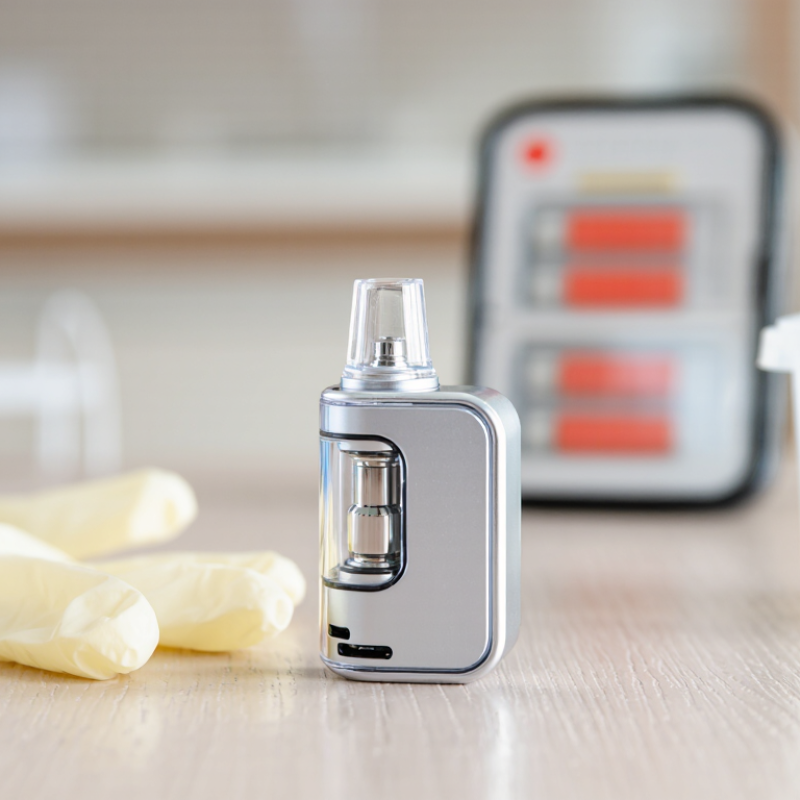
An “empty” pod may still hold a small amount of e-liquid in its reservoir or mouthpiece. Check it in good light, without taking the device apart. Do not squeeze, puncture, or rinse it; liquid can irritate skin, and water does not make the waste safer. If you notice a leak, avoid touching it directly. Wear disposable gloves and blot the liquid with absorbent material. Keep the pod away from children and pets. Small details matter.

Many disposable pods contain a built-in lithium-ion battery, even when the device no longer produces vapor. Do not crush it, leave it in direct sun, or place it in household recycling. The battery can be damaged during collection and may create a fire risk. Take the whole device to an approved battery or electronic-waste collection point, and check that the site accepts vape devices. Rules and collection options differ by area. If the casing is swollen, hot, or visibly damaged, do not handle it more than necessary; contact your local waste service for instructions. It is easy to assume “empty” means harmless. It does not.

How to Safely Dispose of an Empty Disposable Vape Pod

Check for residual e-liquid and a built-in lithium-ion battery.

Both checks matter: “empty” does not guarantee that no e-liquid remains, and a disposable vape may contain a lithium-ion battery. The value 1 means “check this item,” not a measured quantity. Follow local guidance for e-waste or household hazardous-waste collection; do not place the device in household trash or recycling unless local rules specifically allow it.

Keep Battery-Containing Pods Out of Household Trash and Curbside Recycling

An “empty” disposable vape pod can still contain its lithium-ion battery. No vapor left does not mean no battery risk. The U.S. Environmental Protection Agency advises keeping lithium-ion batteries out of household garbage and curbside recycling because they can start fires if damaged or crushed. Material Focus’s 2023 report estimated that five million single-use vapes were discarded each week in the UK. That figure covers whole devices, not empty pods, but it shows how easily battery waste can add up.

Keep any pod with a battery out of both bins. Don’t crush it, puncture it, or try to pull the battery out. Not ordinary waste. Store it temporarily in a dry place, away from heat and loose metal objects, then take it to a designated battery or e-waste collection point. Check the collection site’s instructions before you go; accepted items vary. It can feel excessive for something so small. Still, “empty” is a poor test for safe disposal, and it is easy to mis-sort a pod when the battery is hidden inside.

How to Safely Dispose of an Empty Disposable Vape Pod? — Keep Battery-Containing Pods Out of Household Trash and Curbside Recycling

Step or Situation Recommended Action Why It Matters
Check the product Look for a built-in battery or electronic components. If the battery is integrated or you are unsure, treat the whole item as battery-containing electronic waste. Disposable vape products may contain lithium-ion batteries even when the liquid is used up.
Choose a disposal route Take the item to a local household hazardous-waste, e-waste, or battery collection program that explicitly accepts vape devices. Acceptance rules vary by location and collection site; check local instructions before traveling.
Household trash Do not put a battery-containing vape pod or device in ordinary household trash. Lithium-ion batteries can be damaged during collection or processing and may cause fires.
Curbside recycling Do not place it in curbside recycling unless your local program specifically instructs you to do so. Small electronic items and batteries are generally not accepted in standard curbside recycling bins.
Prepare it for drop-off Keep the item intact. Do not crush, puncture, burn, or attempt to remove an integrated battery. Follow the collection site’s packaging and drop-off directions. Damaging a lithium-ion battery can create a fire or injury risk.
Leaking, swollen, hot, or damaged item Do not use or charge it. Keep it away from heat and combustible materials, avoid contact with leaked liquid, and contact your local waste authority or fire-safety service for handling instructions. Damaged batteries and leaking contents may present additional safety hazards.
No suitable collection point nearby Ask your local waste department or environmental agency for an approved option; do not assume a general battery bin accepts vape devices. Collection programs differ, and some have restrictions on e-cigarettes or devices containing residual liquid.

Important: “Empty” does not necessarily mean the device is safe to discard in regular waste. Follow local regulations and the collection site’s instructions.

Handle Nicotine Residue Carefully: EPA Lists Nicotine as Acute Hazardous Waste (P075)

An “empty” disposable vape pod may still hold a thin film of nicotine liquid around the mouthpiece or inside the chamber. Wear disposable gloves, keep the pod away from children and pets, and avoid touching residue with bare skin. Wash your hands afterward. Small traces can be hard to see.

The EPA lists nicotine and its salts under code P075 as acute hazardous waste in certain discarded commercial chemical products. That does not automatically classify every used consumer pod the same way; the product’s source and condition matter. Still, nicotine residue deserves careful handling. Do not rinse the pod into a sink, crush it, or open it to scrape out liquid. If residue leaks, keep it away from skin and absorb it with disposable material while wearing gloves.

Place the pod in a closed, leak-resistant container, then check your local waste authority’s instructions for household hazardous waste or e-waste drop-off. If the battery is built into the device, it may need separate handling from ordinary rubbish. I used to think “empty” meant harmless; that’s not a safe assumption. Disposal rules can differ by location, so check before putting it in a bin.

Use Local Hazardous-Waste or Vape Take-Back Sites; Never Crush or Rinse the Pod

How to Safely Dispose of an Empty Disposable Vape Pod?

“Empty” does not always mean harmless. A pod may still contain traces of liquid and small electronic components or a battery. Take it to a local household hazardous-waste facility or an approved vape or e-waste take-back site. Check the facility’s website or call before you go; accepted items and drop-off rules vary. Keep the pod intact, dry, and away from heat while you arrange disposal. A small container can keep it from being lost in a drawer or bag. Not glamorous, but practical.

Never crush, cut, or rinse the pod. Crushing can damage a battery, while rinsing may send leftover liquid into a drain. Do not put it in curbside recycling unless your local program specifically accepts it. If the pod is leaking or visibly damaged, avoid handling the liquid directly and ask your local waste service how to package it. I used to assume a used pod was just ordinary plastic. That assumption missed the electronics inside. Check the local guidance, even when the device looks completely spent.