What Is an Empty Vape Pen?

An Empty Vape Pen can mean a device with no liquid or a cartridge that has been used up. The phrase is not always precise. Some people use it for a pen with a drained battery, even when liquid remains. That small distinction matters when identifying what is actually empty.

A vape pen usually includes a battery and a part that holds or delivers liquid. Depending on the model, the liquid may sit in a cartridge, pod, or built-in reservoir. Signs of depletion can include little or no visible liquid, weaker vapor, or a change in taste. None of these signs proves the device is empty; a blocked component or low battery can produce similar symptoms. Check the product instructions instead of guessing. It is easy to misread a device.

This guide explains common meanings of “empty,” how to distinguish low liquid from a battery issue, and what to consider before handling or disposing of a pen. Do not open, puncture, or force a sealed device. Its battery and remaining contents may still pose risks. Follow the manufacturer’s guidance, and use appropriate local collection options for batteries or electronic waste. If a device is damaged, leaking, unusually hot, or swollen, stop handling it and seek advice from a qualified local waste service. Simple, but not always obvious. Understanding the term can help readers make safer, better-informed decisions without assuming every pen works the same way.
What Is an Empty Vape Pen?

Definition and Purpose of an Empty Vape Pen

An empty vape pen is a vaping device supplied without a prefilled cartridge or liquid. Usually, it includes a battery, a heating element, and a connection point for a compatible refillable tank or pod. Its purpose is to let users choose and replace compatible components rather than discard the entire device when a cartridge runs out.

The term is not perfectly standardized. Some sellers use it for a battery-only device; others include an empty, refillable tank.

Empty devices also separate the hardware from the consumable part, which can make maintenance more flexible. Users still need to check connector fit, tank capacity, and the device’s recommended operating range. A loose connection or unsuitable component can cause leaks or poor performance.

Small details matter. The National Academies’ 2018 report, Public Health Consequences of E-Cigarettes, describes these devices as systems that heat liquid to create an inhaled aerosol. That distinction helps explain why an empty pen is hardware, not a complete ready-to-use product.

Grand View Research estimated the global e-cigarette market at USD 22.45 billion in 2023; that figure covers the broader market, not empty pens alone. I would not treat market growth as proof that every refillable design is simpler or safer.

Main Components and How the Device Holds Vape Liquid

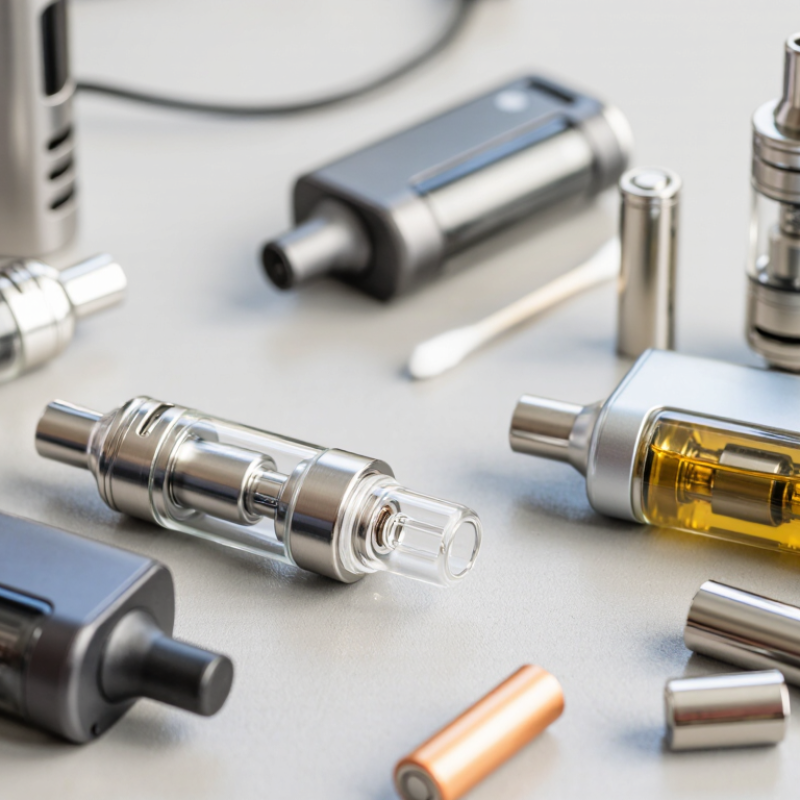
An empty vape pen is a device whose liquid reservoir has run dry; its battery and other hardware may still be present. The U.S. National Academies’ 2018 report, Public Health Consequences of E-Cigarettes, describes the core design: a power source, heating element, liquid reservoir, and mouthpiece. Some pens use a removable cartridge or pod, while others have a built-in tank. Small parts matter.

Inside the reservoir, liquid reaches a wick, often made from cotton or another porous material. The wick draws liquid toward the coil, which heats it into an inhalable aerosol. In refillable designs, a silicone plug or screw cap helps prevent leaks; a clear window can show the remaining level. The CDC’s E-cigarette, or Vaping, Products Visual Dictionary also documents these common parts and illustrates how designs vary. The reservoir is not always easy to inspect.

“Empty” can be misleading. A wick may retain a little liquid after the tank looks dry, and a device can stop producing aerosol because of a battery or coil problem instead. A small caveat: designs differ, so one pen’s fill line or cartridge fit may not apply to another. For accurate handling, check the device’s instructions and avoid forcing open sealed sections.

How to Tell When a Vape Pen Is Empty

An empty vape pen may still light up or vibrate; those signals usually indicate battery status, not liquid level. Look through the tank or pod window under bright light. If no liquid covers the intake openings, the device may be empty. Some pens have no visible window, so watch for a sudden drop in vapor, a burnt taste, or repeated dry, scratchy pulls. Stop using it if that happens.

No sign is perfect. A weak battery can also produce little vapor, while a blocked airflow path can mimic an empty tank. The National Academies’ 2018 report reviewed more than 800 scientific studies and noted that device design and operating conditions vary. That variation makes one universal “empty” signal unreliable. If the pen is rechargeable, follow its instructions for charging; do not open or puncture the device to inspect it.

Check the liquid level before each use, especially if the pen has been stored upright or carried in a bag. A thin film on the window can be misleading: tilt the pen gently and look for liquid around the intake. If the reservoir appears dry, the vapor tastes burnt, or output stays faint after airflow and battery checks, treat it as empty. Refill or replace only parts designed for that purpose.

Common Types of Empty Vape Pens

An empty vape pen is a device or cartridge made to hold e-liquid but currently containing none. The term can describe several designs, and product labels are not always consistent. The naming is messy.

Refillable pod pens use small, removable pods. Some pods have built-in coils; others allow coil replacement. Their compact shape fits easily in a pocket, while the narrow fill opening can make refilling fiddly. Open-tank vape pens hold liquid in a clear reservoir, often with a replaceable coil. The visible tank makes the liquid level easy to check. These pens may need more frequent cleaning, especially around the mouthpiece.

Cartridge-style pens pair a battery with a separate, usually threaded cartridge. An empty cartridge may be refillable, but some are sealed and designed for one use. Check the device instructions before adding liquid. Never force a mismatched part. A dry, cracked, or leaking cartridge should not be used. Details matter here: connection type, coil resistance, and fill method can differ between models. Even experienced users can overlook a small compatibility note.

Safe Disposal and Recycling Considerations

An “empty” vape pen may still contain a few drops of liquid and a small lithium-ion battery. The chamber can look dry while residue remains near the mouthpiece or heating area. That matters. Treat the device as electronic waste, not ordinary curbside recycling. Do not crush, puncture, burn, or soak it.

Check your municipality’s waste guide or contact its household hazardous-waste program; collection rules vary. Some areas accept complete devices at electronics drop-offs, while others require battery-specific collection. If the battery is designed to be removable, separate it only as the device instructions allow. Cover exposed battery contacts with nonconductive tape before using an approved battery collection container. Never force open a sealed device.

Until drop-off, store the pen in a cool, dry place, away from keys, children, and pets. A sealed bag may help contain a minor leak, but it does not make the device safe for the trash. If the pen is swollen, unusually warm, or leaking heavily, avoid handling it and ask local waste officials for guidance. It is easy to assume “empty” means harmless. The label can be misleading.

What Is an Empty Vape Pen? — Safe Disposal and Recycling Considerations
Component or condition What “empty” means Safer handling and disposal Recycling considerations
Cartridge or pod with no visible liquid The reservoir appears used up, but small amounts of e-liquid may remain in the wick or internal parts. Keep it away from children and pets. Do not open, squeeze, or rinse it; e-liquid may contain nicotine, which can be harmful if swallowed or absorbed through skin. Local programs vary. Ask your municipal waste service whether cartridges or pods are accepted; do not assume they belong in household recycling.
Reusable vape pen with a built-in battery The device has no usable liquid or has stopped operating, but its battery and electronics remain inside. Do not place the whole device in curbside recycling or a household rubbish bin where local rules prohibit it. Use a designated electronics or battery collection option. Some electronics collection programs accept small devices. Confirm acceptance with the site before taking it there.
Disposable vape with a built-in battery The liquid is depleted or the device no longer produces vapor; the battery may still hold a charge. Treat it as electronic waste and a battery-containing item. Do not crush, puncture, burn, or dismantle it. Take it to a collection point that specifically accepts vape devices or small battery-powered electronics. Acceptance rules differ by location.
Removable battery The battery is separate from the device, whether charged or depleted. Follow local battery drop-off instructions. If terminals are exposed, cover them with non-conductive tape when the collection program recommends it. Keep damaged or swollen batteries away from heat and seek local hazardous-waste guidance. Use a battery collection site that accepts the battery type. Never put loose lithium-ion batteries in curbside recycling.
Device that is leaking, hot, swollen, or damaged The device may be unsafe even if it appears to contain no liquid or charge. Avoid handling leaking liquid directly. Keep the item away from heat and flammable materials, and contact your local hazardous-waste service for instructions. If it is smoking or burning, move away and contact emergency services. Do not place a damaged battery in a standard collection bin unless the program explicitly instructs you to do so.
Packaging and paper instructions These are separate from the vape device and may not be contaminated. Separate clean packaging from the device and follow local sorting rules. Keep packaging with e-liquid residue out of paper recycling. Recycle clean paper or cardboard only where accepted. Plastic packaging rules depend on local facilities.
Before choosing a disposal route “Empty” describes the liquid supply, not necessarily the battery, electronics, or residual nicotine. Check local household hazardous-waste, battery, and electronic-waste guidance. Store the device securely until you can take it to an appropriate collection point. Do not dismantle the device to separate materials unless an authorized program specifically instructs you to do so.