
How to Choose the Best Wall Backsplash in 2026
Choosing a Wall Back Splash in 2026 means balancing appearance, cleaning, installation, and long-term wear. It is not just a decorative strip. Grease, steam, splashes, and daily wiping all test the surface. Small details matter.
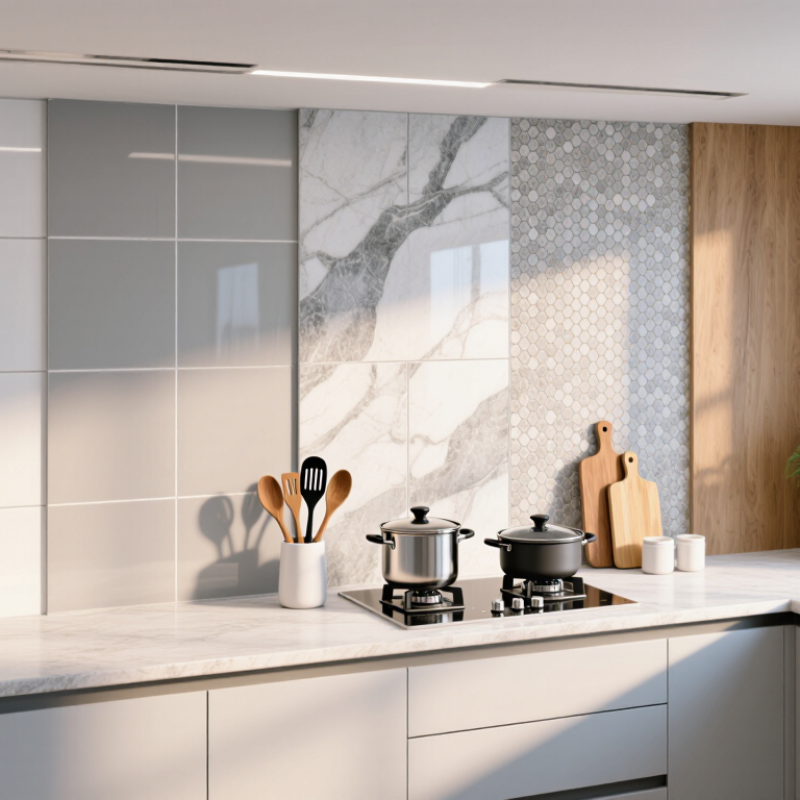
Houzz’s 2024 U.S. Kitchen Trends Study reports that tile remains the most popular backsplash material among homeowners renovating their kitchens. That finding reflects real project choices, but it is not a rule for every home. A glossy ceramic tile can brighten a dim cooking area, while large-format porcelain may reduce grout lines around a busy range. Natural stone brings distinctive veining, yet often needs more care. The right choice depends on your cooking habits, wall condition, budget, and tolerance for maintenance.
In this guide, we’ll compare materials, finishes, costs, and practical installation considerations. We’ll also look at how color and tile size affect the room’s scale. Test samples beside your countertop and under your actual kitchen lighting. Daylight can change everything. One honest drawback: tiny mosaics look lovely, but their many grout joints can take longer to clean. Product specifications and installer advice deserve more weight than trend photos. A stylish surface is useful only when it suits the way you cook.
Identify Your Backsplash Needs, Room Conditions, and Budget
Before choosing a wall backsplash, decide what the surface must handle. Behind a cooktop, grease and splashes are daily concerns; near a sink, standing water and frequent wiping matter more. For a coffee nook, appearance may outweigh heavy-duty cleaning. Small details matter. Measure the full wall, including outlets, corners, and the strip beneath cabinets.
Room conditions can narrow choices quickly. Steam, poor ventilation, and uneven walls affect installation and long-term performance. Glossy surfaces reflect light but show fingerprints; textured surfaces can hold grime in grout lines. Check whether the wall is dry, sound, and reasonably flat before buying materials. If you rent or expect future changes, consider a removable option, but test a hidden patch first. Adhesives may fail on dusty or damp paint.
Set a total budget, not just a price per square foot. Include trim, edge pieces, grout, tools, delivery, and extra material for cuts or breakage. Complex patterns and many outlets increase labor, even when the tile itself is inexpensive. Compare maintenance costs too: porous materials may need sealing, while very pale grout can demand frequent cleaning. Keep a small reserve for surprises. One imperfect wall measurement can leave a visible gap or delay the job. Recheck dimensions before ordering, and ask an installer to assess unusual surfaces when the repair stakes feel high.
| Material | Typical Installed Cost per sq. ft. (USD) | Moisture & Heat Suitability | Care & Installation Notes | Best Fit | Potential Drawback |
|---|---|---|---|---|---|
| Ceramic tile | $8–$25 | Suitable for most kitchen and bathroom splash zones. Fired tile handles normal cooking heat; follow the product instructions around cooktops. | Glazed surfaces are easy to wipe. Grout needs routine cleaning and may need sealing, depending on the grout type. | Budget-conscious projects, varied colors and patterns, and standard kitchen or bathroom walls. | Many small tiles create more grout lines; uneven walls can make installation more challenging. |
| Porcelain tile | $10–$30 | Low water absorption makes it a strong choice for wet areas. Generally suitable behind cooking areas when installed as specified. | Durable and straightforward to clean. Dense tiles can require specialized tools and an experienced installer. | Busy kitchens, bathrooms, and homeowners seeking a durable tile with relatively low upkeep. | Cutting and installation can cost more than basic ceramic tile. |
| Glass tile | $20–$50 | Nonporous glass resists moisture and is commonly used on kitchen and bathroom walls. Check heat clearances and installation guidance near cooking appliances. | Wipes clean easily, but water spots and fingerprints may show. Accurate cutting and setting are important for a neat finish. | Brightening a smaller room or creating a reflective feature wall. | Usually costs more than ceramic tile and can highlight installation imperfections. |
| Natural stone tile | $15–$45 | Suitability varies by stone. Many stones are porous and need protection in splash-prone areas; confirm heat and care requirements for the specific product. | May require periodic sealing and stone-safe cleaners. Color, veining, and surface texture vary from piece to piece. | Projects where natural variation and a distinctive appearance are priorities. | Ongoing care and sealing can add time and cost; some stones can stain or etch. |
| Stainless steel panel or tile | $20–$50 | Resists moisture and is often used behind cooking areas. Observe appliance clearances and the panel maker’s installation requirements. | No grout is needed for many panel systems. Use non-abrasive cleaners; the surface can show fingerprints and scratches. | Contemporary kitchens and homeowners who want a wipeable, grout-free surface. | Scratches, smudges, and reflected light may be more noticeable than on textured finishes. |
| Laminate wall panel | $8–$25 | Can suit dry or moderately splash-prone walls when the panel system is properly sealed. Do not place near a heat source unless the product is specifically rated for that use. | Large panels can reduce seams and simplify cleaning. Seal joints and edges according to the installation instructions. | Fast coverage, a lower-cost update, and areas away from direct heat. | Heat tolerance and water resistance vary by product; damaged panels may be difficult to repair invisibly. |
| Peel-and-stick tile or panel | $3–$15 | Performance depends on the product and substrate. Use only in locations permitted by the instructions; many options are unsuitable near direct heat or persistent moisture. | Surface preparation is essential. Check whether the product is removable, washable, and approved for the intended wall. | Temporary makeovers, rentals where permitted, and very tight budgets. | Adhesion may fail on dusty, textured, damp, or greasy walls; appearance and durability may differ from permanent tile. |
Budget note: Installed prices are broad U.S. estimates for 2026 and can vary by region, project size, wall preparation, layout, grout, trim, and labor. Confirm current local quotes and product-specific heat, moisture, and maintenance instructions before purchasing.