What Is the Best Mobile Workstation in 2026?
A Mobile Workstation is built for demanding work away from a fixed desk, from 3D design and video editing to engineering simulations. In 2026, choosing one means looking beyond processor names and glossy displays. The right system should match your software, workload, and travel routine without paying for power you rarely use.
This guide examines practical buying criteria, including processor and graphics performance, memory, storage, screen quality, battery life, cooling, and upgrade options. It also considers independent review results where available, since real-world performance can differ from a specification sheet. A bright screen may look impressive, but it matters less if the laptop runs hot during sustained rendering. Small details count.
There is no universal winner. A compact model may suit frequent travelers, while a larger workstation could better handle long rendering sessions or complex design files. Budget, operating system, ports, warranty, and professional software support can change the decision, too. Configurations vary by region, and manufacturers may revise them, so verify the exact model before buying. That step is easy to miss.
The recommendations ahead aim to explain who each option serves, where it falls short, and which trade-offs deserve a second look. Some comparisons will remain imperfect: workloads differ, and no single benchmark tells the whole story. Use the shortlist as a starting point, then match it against your own applications and daily constraints. A good fit beats a headline spec.
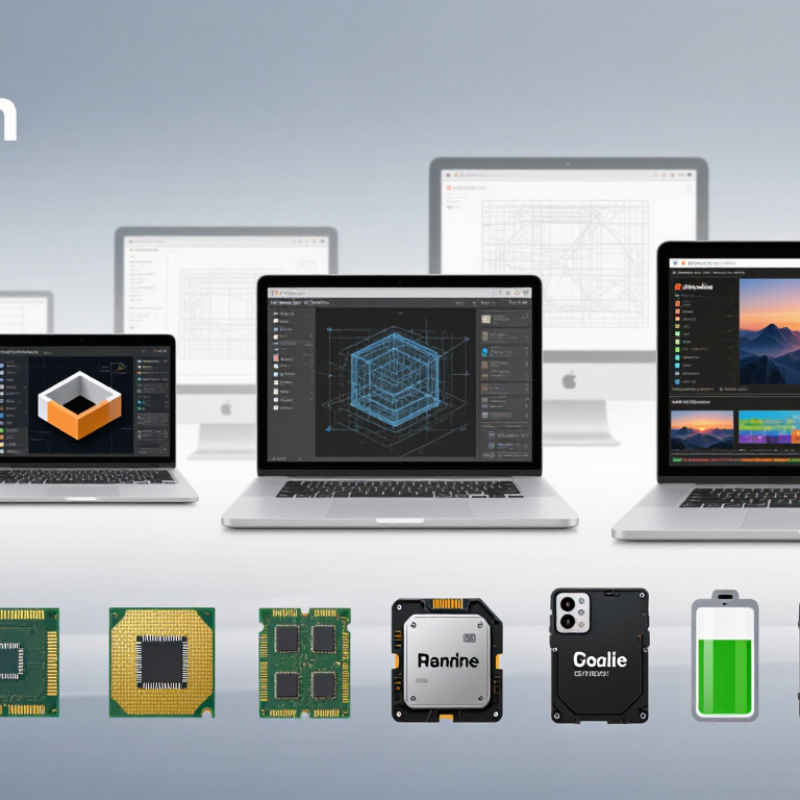
Defining a Mobile Workstation in 2026
A mobile workstation in 2026 is a portable computer built for demanding professional work, not merely a laptop with a fast processor. It should handle sustained workloads such as 3D modeling, engineering analysis, large video projects, or complex data tasks. That takes more than peak speed. Stable performance, ample memory, suitable graphics capability, and dependable cooling all matter. The category remains fuzzy, though: software requirements differ, and a powerful machine can still be the wrong fit.
A workstation should also support a reliable daily workflow. Look for a screen that shows fine detail clearly, ports that match your equipment, and storage you can expand or configure for your projects. Check whether the device stays responsive during long sessions, not just brief benchmark runs. Battery life, weight, fan noise, and repair options deserve attention too. I would not treat a workstation label as proof of professional suitability; verify the configuration against the actual software and workload.
Tips: Bring a sample project when testing a device. Watch for heat, noise, and slowdowns after several minutes. Check memory and graphics requirements before buying. A little compromise is normal; the right balance depends on your work.
Core Hardware and Features That Shape Performance
A mobile workstation earns its name through sustained performance, not a brief burst on a specification sheet. The SPECworkstation 3.1 benchmark covers 30 workloads across seven application areas, including product development, life sciences, and energy. That breadth matters: a machine suited to 3D modeling may feel sluggish when handling simulation or video tasks. Check benchmark results for your actual software, not just a processor’s core count. More cores help parallel work, but cooling determines whether they can maintain speed during a long render.
For graphics-heavy projects, assess GPU performance and video memory together. A detailed scene can exceed available memory, causing delays even when the processor is fast. Choose enough system memory for large files and several open applications; 32 GB is a practical starting point, while complex simulations may need more. Look for fast solid-state storage, a bright, color-accurate display, and ports that support your external drives and monitors. Then consider weight and battery life. Thermals matter. A thin chassis can run hot under load, and that trade-off is easy to underestimate. Check independent tests that record sustained performance, fan noise, and temperatures—not peak scores alone.
Criteria for Comparing Mobile Workstation Models
A useful comparison begins with the work the machine must sustain, not a headline processor rating. Run a demanding project for at least twenty minutes and note whether performance drops as the chassis warms. Numbers can mislead. Check memory capacity and upgrade options, since large design files can expose limits quickly. For graphics work, compare performance in the applications you actually use, rather than relying on one synthetic score. My own weighting can be wrong; a video editor and a field engineer may value very different things.
The display deserves a close look: inspect fine text, color consistency, glare, and brightness near a window. Test the keyboard, trackpad, ports, and charger during a normal work session. Test it unplugged. Record battery life during real tasks, because light browsing rarely predicts a full day of rendering. Also compare weight with the power adapter included, and check how easily memory, storage, or batteries can be serviced. Fan noise matters in a quiet room. So does heat near the palm rest. I would keep notes from the same workload and settings across models; even then, small differences in software versions can skew results.
How Workstation Needs Differ Across Professional Fields
A mobile workstation is not “best” because it has the fastest processor. It is best when its strengths match the work, the software, and the places it will be used. For mechanical design, prioritize a capable graphics processor, ample memory, and reliable cooling. Large assemblies can make a thin laptop slow or noisy. That matters.
Video professionals often need a color-accurate display, fast storage, and enough memory for high-resolution footage. A bright screen helps on location, but it can drain the battery quickly. Data scientists may value memory capacity and graphics performance more than a high-resolution display. Check that the tools you use can actually benefit from the hardware; expensive specifications are not automatically useful.
Field engineers have different constraints. A sturdy chassis, clear ports, and a screen readable in daylight may matter more than a slim profile. Battery life is harder to judge from a specification sheet, especially under sustained workloads. There is no clean winner. I would compare the workstation with real project files, not just benchmark scores. Even then, choosing between portability and sustained performance feels awkward. A few extra minutes of setup can reveal whether the fans drown out a call or a full workday requires a charger.
Choosing a Mobile Workstation for Your Workload
Choosing a mobile workstation for your workload starts with the work you actually do, not the largest specification sheet. Three-dimensional modeling, large data sets, and video editing can benefit from a dedicated graphics processor and ample memory. For coding, office work, or light design, those features may add cost and weight without speeding up daily tasks. Check whether your essential software uses multiple processor cores or needs certified graphics support. Small details matter. A bright screen helps near a sunny window, while a comfortable keyboard matters during long writing sessions.
Tips: List your three most demanding tasks. Check their memory and graphics requirements. Compare the workstation’s weight, battery life, ports, and cooling design. If possible, test the keyboard and screen in person.
A powerful machine is not always the best travel companion. Sustained workloads can warm a thin chassis and reduce performance, so look beyond brief speed claims. Battery estimates also vary with screen brightness and demanding applications; plan for a charger if your workday includes heavy rendering. It is tempting to buy extra capacity “just in case,” but that choice can mean carrying unused weight. I would leave room for growth, though not without a realistic limit. Your workload may change, and no specification list predicts every future need.